
Standing
Techniques
- Takedown·StandingAnkle Pick Takedown
A standing takedown used to take the opponent down by grabbing their ankle after establishing inside control. It works by forcing the opponent to step forward…
- Setup·StandingArm Drag Control Setup
Control the opponent's arm by positioning their shoulder in front of their wrist to prevent arm escape and enable arm drag.
- Takedown·StandingArm Drag Takedown
Use an arm drag to off-balance the opponent while maintaining a safe angle, then secure waist control and a leg hook to drive them to the mat using body weight.
- Takedown·StandingArm Drag Takedown to Half Guard
A no-gi takedown entry using an arm drag to pull the opponent off-balance while stepping through to hook their leg, forcing a half-guard position for subsequen…
- Takedown·StandingArm Drag to Inside Trip Takedown
Use an arm drag to set up an inside trip on the opponent's front leg, finishing the takedown into half guard.
- Takedown·StandingArm Drag to Kouchi Gari
Use an arm drag to clear a bigger opponent’s stiff arm or collar grip, creating a direct path to enter a Kouchi Gari. The mechanism relies on pulling the arm a…
- Takedown·StandingArm Drag to Trip
Designed for non-judo players facing larger opponents, this takedown uses an arm drag to clear the leg and a hip-driven trip that requires minimal energy once…
- Submission·StandingArm Triangle
Apply from a standing or crouching position when you can secure both arms around the neck. Sprawl out, elevate on your toes, and slide forward to finish.
- Takedown·StandingBack Bend Takedown
A takedown involving locking the opponent, positioning their shoulders behind their hips, stepping forward, and dropping down.
- Submission·StandingBamboo Choke
Used when an opponent drives you into a clinch. It utilizes a single collar grip to create a tight noose around the neck, finishing quickly by pulling the oppo…
- Transition·StandingBerimbolo from Head Quarter Position
A modern technique transitioning from head quarter position to take the back using a berimbolo.
- Takedown·StandingBlast Double Leg
A high-percentage takedown where the head stays centered to avoid guillotines, using forward pressure on the shoulders and backward pressure on the knees to ru…
- Takedown·StandingBody Fold Takedown
A takedown from the clinch that uses a body fold to bring a standing attacker to the ground, establishing mount control.
- Sweep·StandingButterfly Sweep from Double Overhooks
Used when an opponent attempts a body lock. The core mechanism is timing the double overhook entry early, then using one butterfly hook and a post to lift and…
- Pass·StandingClosed Guard Pass — Wrist Pin Entry
Used when you struggle to open closed guard. By pinning the wrist and tripod lifting, you neutralize the opponent's base and force the guard open safely before…
- Takedown·StandingCollar Drag Takedown
Use this when standing and gripping with an opponent who controls your collar. It solves the problem of taking them down without getting countered by dragging…
- Takedown·StandingCollar Drag to Single Leg Takedown
Use collar drag to off-balance opponent and finish with a single leg takedown.
- Takedown·StandingCollar Drag to Single-Leg Entry
Uses a cross-collar grip to pull the opponent down, allowing a safe single-leg entry and immediate guard-passing position without the energy cost of a traditio…
- Takedown·StandingCollar Tie Counter — Double Leg with Three Steps
Counters a collar tie by swimming inside, creating separation, and using a specific three-step entry for a double leg takedown.
- Takedown·StandingCollar Tie Counter — Inside Underhook to Knee Pick
Counters a collar tie by swimming an underhook, dominating the hip line, and executing a knee pick to bypass guard.
- Takedown·StandingCollar Tie Counter — Judo Footwork Single Leg
Uses Judo-style footwork to chop the opponent's foot off the ground and execute a single-leg takedown.
- Takedown·StandingCollar Tie Counter — Over-Under Body Lock to Mat Drop
Uses an over-under body lock to trap the opponent's arm, then drops to the mat to take the back or attack a choke.
- Takedown·StandingCollar Tie Counter — Reverse Wrist Control to Single Leg
Counters a collar tie by catching the wrist with a reverse grip, securing two-on-one control, and driving a single-leg takedown while maintaining shoulder pres…
- Takedown·StandingCollar Tie to Underhook & Single Leg
Transitions from a collar tie into an underhook and single leg, emphasizing hip positioning to prevent being thrown (uchimata) and securing the takedown.
- Control·StandingCradle Entry & Control
Establishes a secure cradle by pinching elbows and locking under the jawline, preventing the opponent from shrugging out. Uses grip variations to maintain cont…
- Submission·StandingD’Arce Choke
When you have dominant control and the opponent's head is exposed, use this choke to trap the neck and one arm, cutting off blood flow with minimal strength.
- Takedown·StandingDe Ashi Barai from Collar Tie and Weight Distribution
Establish collar tie, create tension between opponent's neck and shoulder to force weight onto back foot, then sweep that foot to throw.
- Takedown·StandingDeashi from Over-Under
A counter to the opponent shuffling away. Traps both feet together with the left leg while pulling with the right arm for a powerful sweep.
- Defense·StandingDefensive Roll Counter — Half-Roll to Two-on-One
Counters a half-roll escape by inverting the inside knee to block kicks, then scooting around the corner to secure two-on-one leg control and back exposure.
- Sweep·StandingDouble Ankle Sweep
A standing sweep from double ankle control that uses spinal extension and sliding underneath the opponent to take them down, transitioning into a dominant knee…
- Pass·StandingDouble Leg Guard Pass Setup
A follow-up strategy to prevent the opponent from recovering closed guard after the takedown. By controlling the pant leg and threatening a pass, you force the…
- Takedown·StandingDouble Leg Takedown
Used to close distance and take an opponent down from standing. The core mechanism relies on maintaining upright posture during the entry to protect the neck w…
- Takedown·StandingDouble Leg Takedown
A powerful takedown initiated from an outside single grip, using level change and leg penetration to drive the opponent to the mat while maintaining head posit…
- Takedown·StandingDouble Leg Takedown
Used to initiate ground fighting by driving an opponent down. The core mechanism involves lowering your level, cutting the opponent's knees, and using your leg…
- Takedown·StandingDouble Leg Takedown
Used to close distance and take an opponent down from standing. The core mechanism relies on precise range management (shoulder touch) and driving the head int…
- Takedown·StandingDouble Leg Takedown
Used when the opponent has a wider or different stance than you. The core mechanism is lowering your level to penetrate deep while keeping your head tight agai…
- Takedown·StandingDouble Leg Takedown
Used to close distance against a passive or guard-pulling opponent. The core mechanism is snapping the opponent's head down to break their posture before drivi…
- Takedown·StandingDouble Leg Takedown
Used to close distance and take an opponent down by driving through their legs. The core mechanism relies on dropping levels below the opponent's head to creat…
- Takedown·StandingDouble Leg Takedown
Used to close distance and take an opponent down from a standing position. The core mechanism involves dropping level to bypass arms, stepping deep with the le…
- Takedown·StandingDouble Leg Takedown
Used to take a standing opponent to the mat. The mechanism relies on collapsing the knees inward to break the opponent's base, allowing gravity to do the work…
- Takedown·StandingDouble Leg Takedown — Chest Pressure Single
Used when the opponent posts a leg to base during a driving double. The mechanism is cutting the corner to grab the near leg and applying chest pressure to dum…
- Takedown·StandingDouble Leg Takedown — Contested Grip Entry
Used when the opponent anticipates a double leg and shortens the distance to block the shot. The mechanism relies on dragging the opponent forward to break the…
- Takedown·StandingDouble Leg Takedown — Cut to Side Control
Used when the opponent postures up after a snap-down. The core mechanism is stepping up on the far leg and reaping through to dump the opponent into side contr…
- Takedown·StandingDouble Leg Takedown — Duck Under Sprawl
Used when the opponent sprawls heavily on top of you. The mechanism involves sliding your knee through their foot and spinning underneath their weight to take…
- Takedown·StandingDouble Leg Takedown — Fake Entry
Uses a fake shot to draw a reaction from the opponent, then executes a double-leg takedown by cutting the angle and driving with proper hip depth.
- Takedown·StandingDouble Leg Takedown — Outside Leg Trip
Used when the opponent pops their head up after a snap-down. The mechanism is hooking the front knee from the outside and tripping them over.
- Takedown·StandingDouble Leg Takedown from Front Headlock
A safe double-leg entry for BJJ players that avoids knee-dropping by using a front headlock to create an angle, allowing the attacker to drive to the side for…
- Transition·StandingDuck Under Back Take
A standing back-take entry that uses a single-leg feint to manipulate the opponent's base. It works by forcing a defensive reaction to the fake takedown, creat…
- Takedown·StandingFake Pull Guard to Ankle Pick / Turn Corner
Fake a sit guard to trigger a backward lean, then shoot an ankle pick or turn the corner based on their reaction, finishing with collar control.
- Takedown·StandingFake Pull Guard to Hip Kick/Trip
Use a low grip fake to bait a guard pull, then read the opponent's weight shift to choose between a hip kick or a foot trip when they lean back.
Showing top 50 of 207. Browse all techniques →
Featured videos
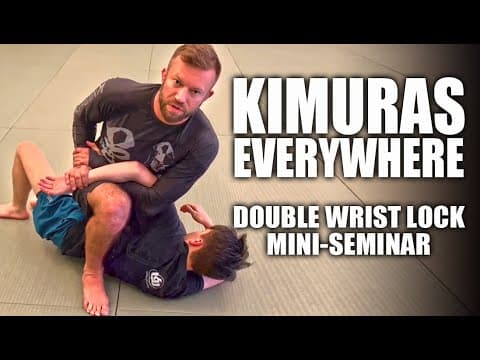 Kimuras from Everywhere | The Double Wrist Lock Mini-SeminarKnight Jiu-Jitsu·11:52
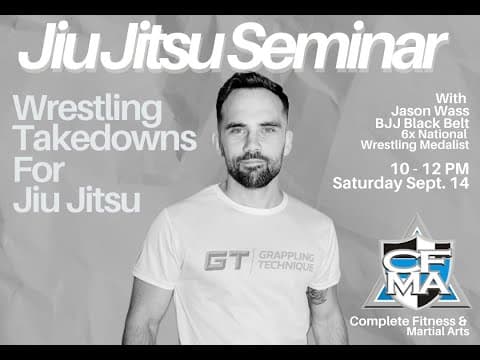 Jiu Jitsu Seminar Sept. 14, 2024Grappling Technique·31:38
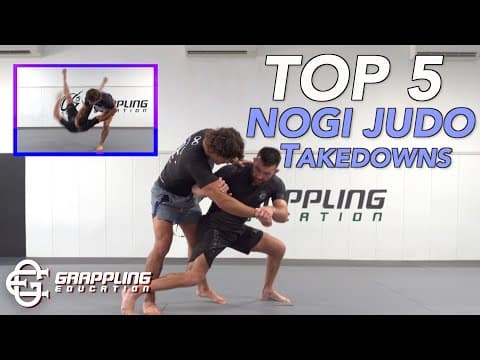 5 Best NoGi Judo Takedowns/ Throws for BJJRee Allen·12:53
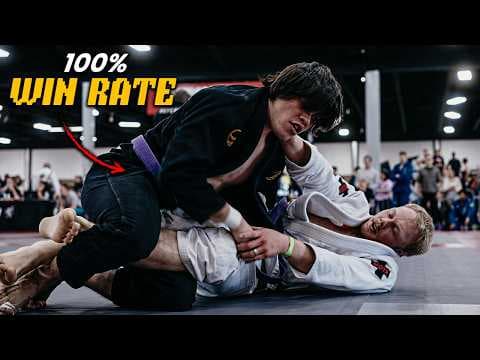 How to win a BJJ Tournament by Mentally Exhausting your OpponentCarsahh·9:00
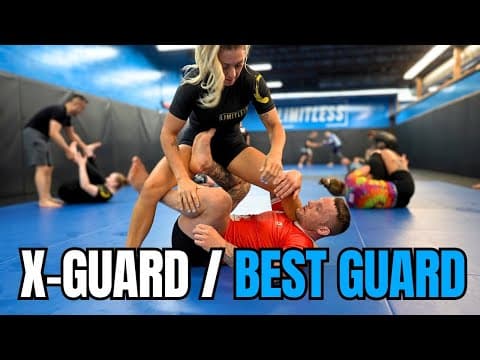 The BEST Guard In BJJ... X GuardJordan·8:40
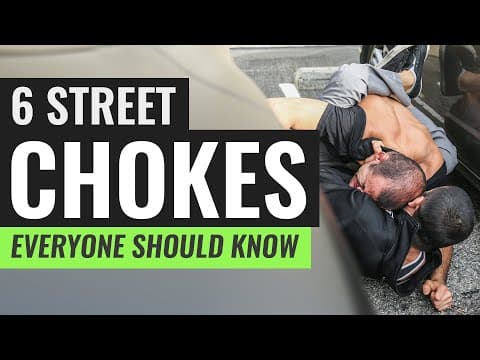 6 Street Chokes Everyone Should Master!GracieBreakdown·1:35
 6 approaches to passing the knee shield (Lachlan Giles)Lachlan Giles·8:20
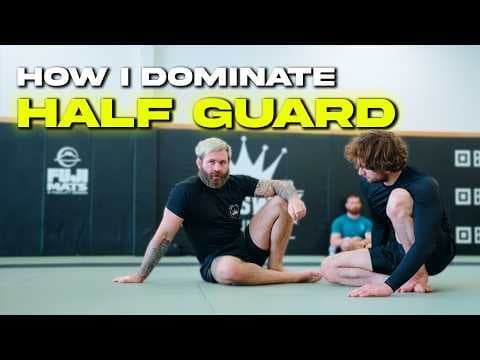 How I Dominate Half Guard - Gordon Ryan (ft. The Serpent)Gordon Ryan·24:03
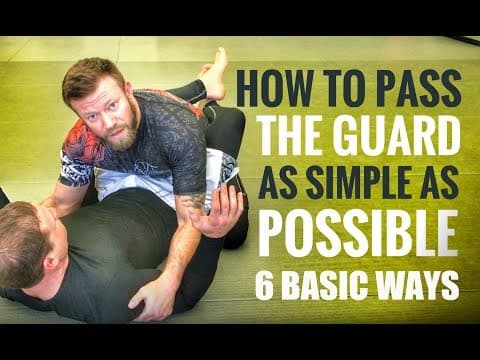 Jiu-Jitsu Guard Passes | 6 Basic but Effective Guard Passes for Gi or No GiEli Night·7:29
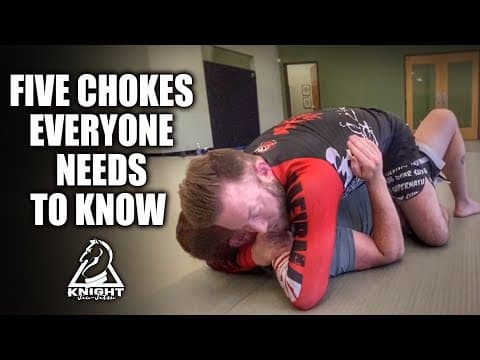 5 Chokes Everyone Needs to Know (well, Five-ish anyway) | Jiu-Jitsu FundamentalsEli·11:21
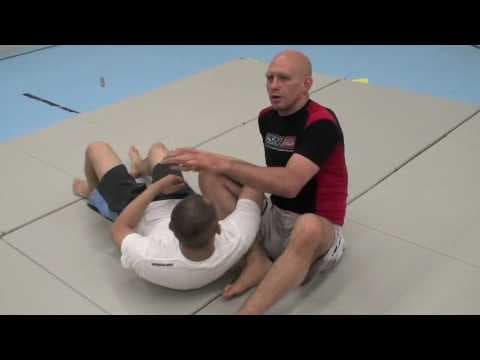 Five Triangle Chokes You Must KnowStephan Kesting·7:54
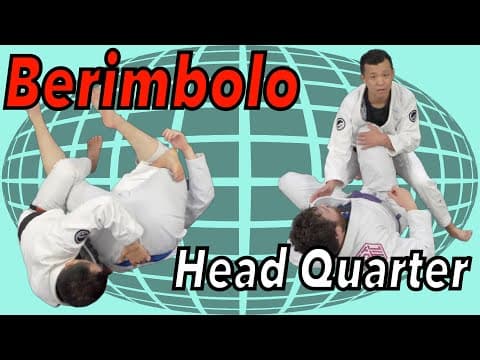 Berimbolo from Head Quarter/Top Position | Modern TechniqueJosh·11:39